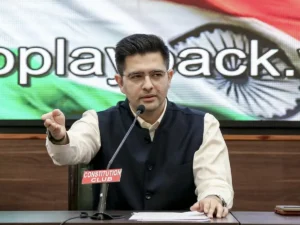

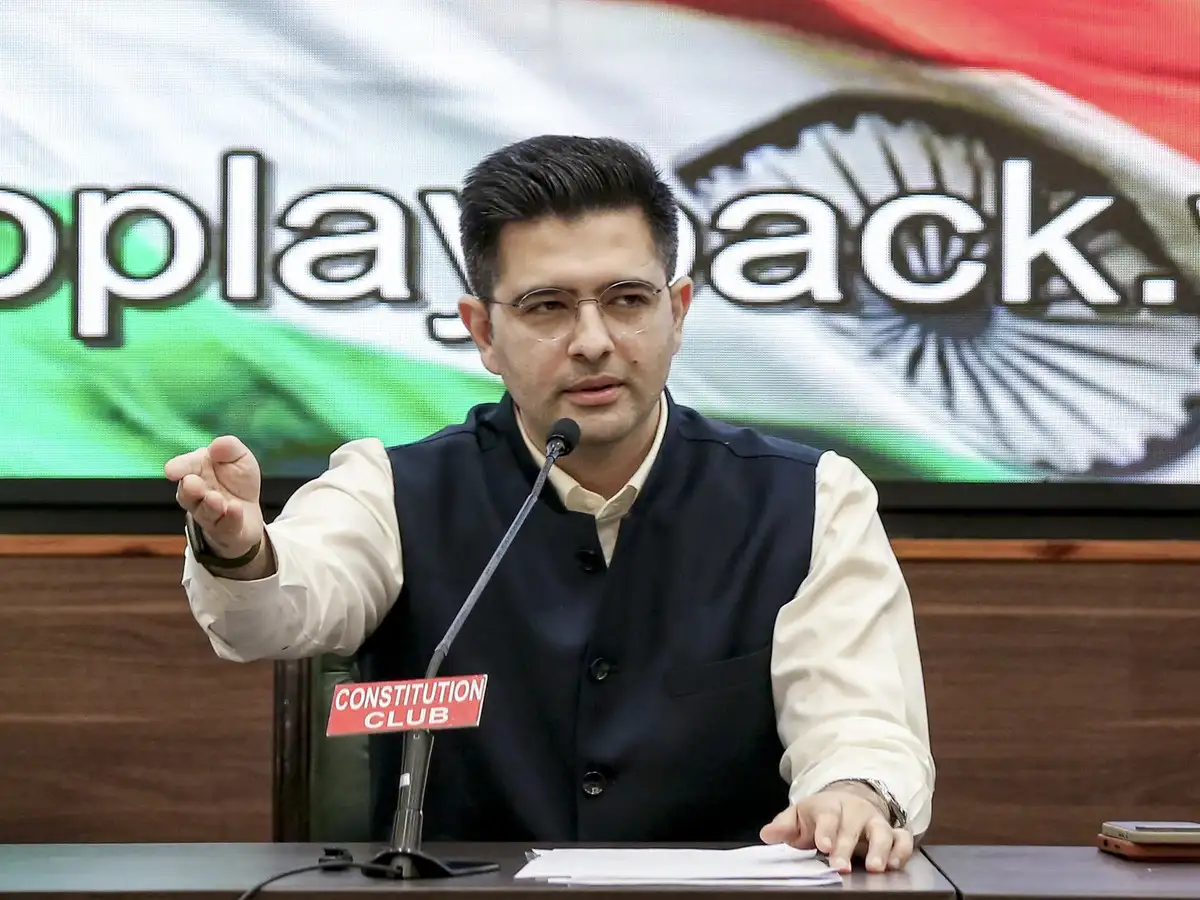

Divya Delhi. Raghav Chadha’s claim that his reported merger with the Bharatiya Janata Party shields him from disqualification under the anti-defection law has triggered a complex legal debate. nThe issue centres on the Tenth Schedule of the Constitution of India, which disqualifies legislators who voluntarily give up party membership. However, Paragraph 4 provides an exception in case of a “merger,” provided two-thirds of a legislature party agree. Legal experts point out that the exception applies only when the *original political party* merges with another party. In Chadha’s case, no formal merger has been announced by the Aam Aadmi Party at the national level, raising doubts over the validity of the defence. The Subhash Desai v. Principal Secretary, Governor of Maharashtra (2023) judgment by the Supreme Court of India reinforced that a legislative party cannot act independently of its parent political party, suggesting such unilateral mergers may not qualify for protection. However, a contrasting view exists. The Bombay High Court, in Goa-related cases, upheld mergers where two-thirds of legislators joined another party, even without formal party-level approval. With conflicting interpretations, the matter is likely to reach the Supreme Court for final adjudication, which could set a crucial precedent for future defections and party mergers in India’s political landscape.