
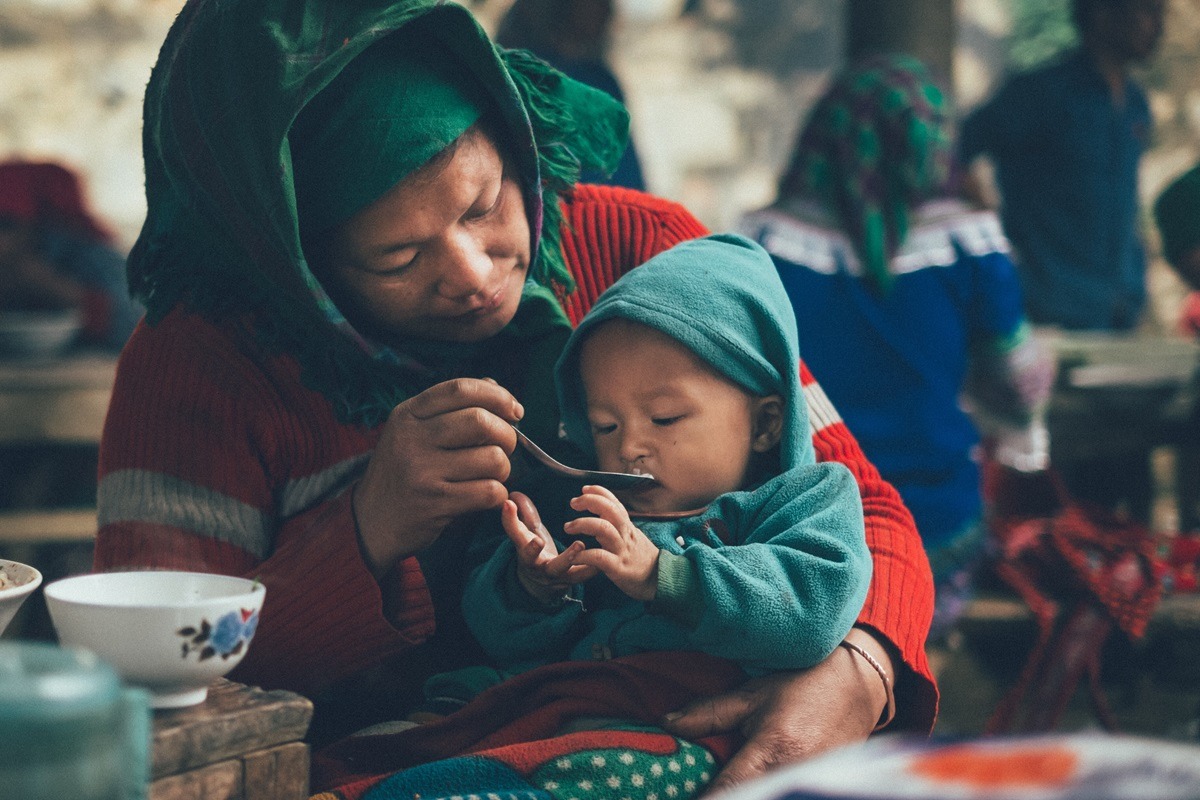

DIVYA DELHI : The World Health Organization (WHO) has issued its first-ever guidelines on the prevention and management of obesity in children and adolescents, calling for greater emphasis on healthy behaviour and lifestyle changes rather than relying primarily on medicines. The guidelines highlight the importance of addressing childhood obesity through a comprehensive approach that includes healthy eating, regular physical activity, adequate sleep and supportive family and community environments. WHO said children and adolescents living with obesity need long-term, personalised care and support rather than short-term solutions. The global health body also stressed that obesity in children is influenced by a range of factors, including dietary habits, physical activity, social conditions and the wider environment. It urged governments and health systems to strengthen prevention measures and ensure that children have access to appropriate care. WHO’s recommendations are aimed at helping healthcare professionals, policymakers and families respond to the growing global burden of childhood obesity. The organisation said tackling obesity early can help reduce the risk of health complications later in life and promote healthier development among children and adolescents.