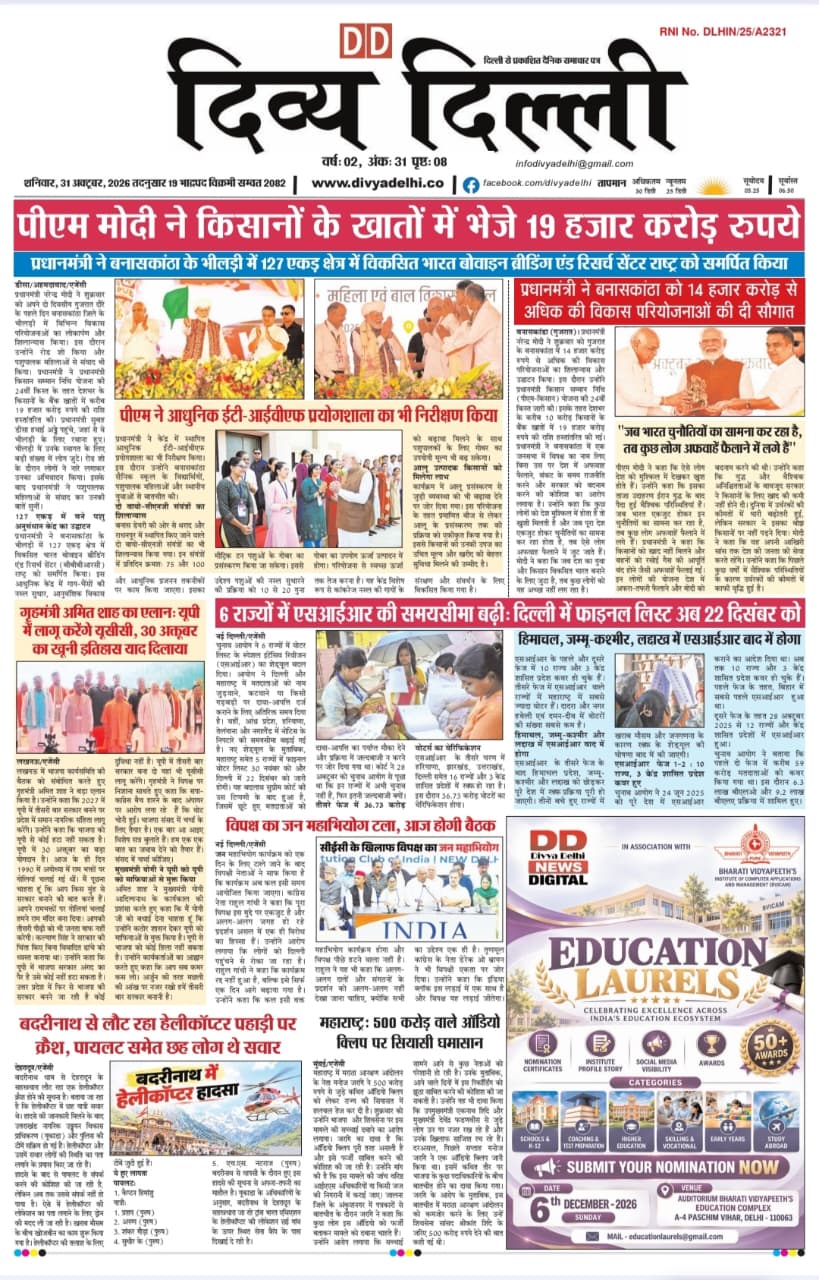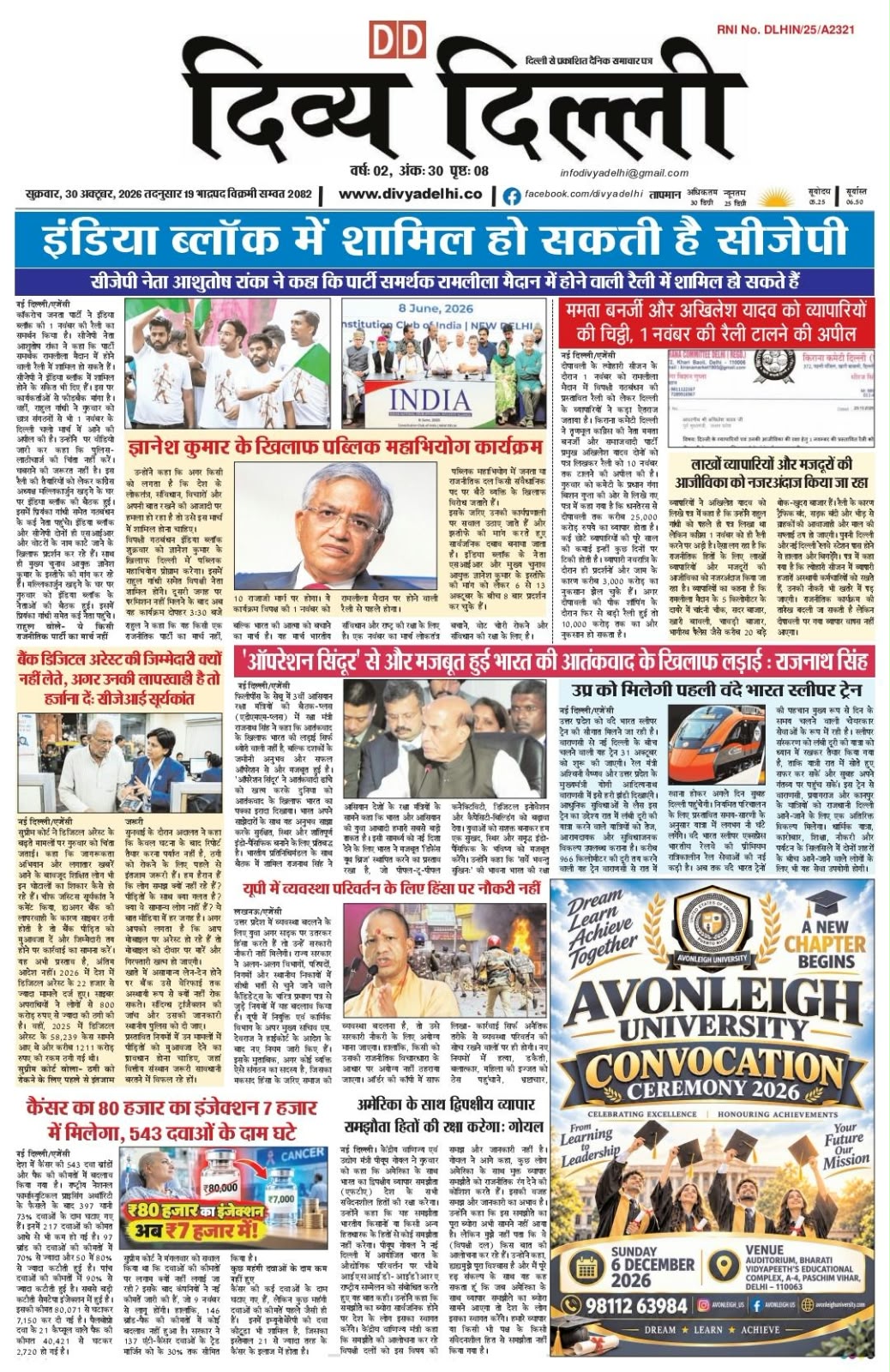

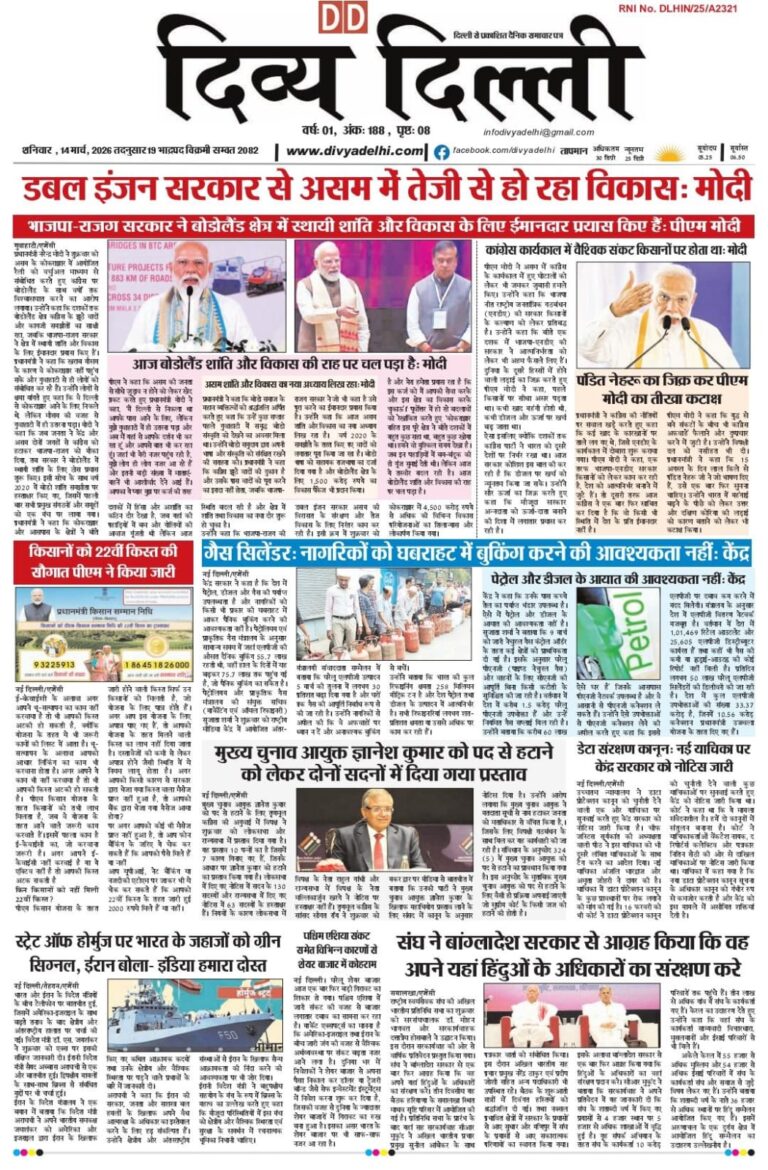
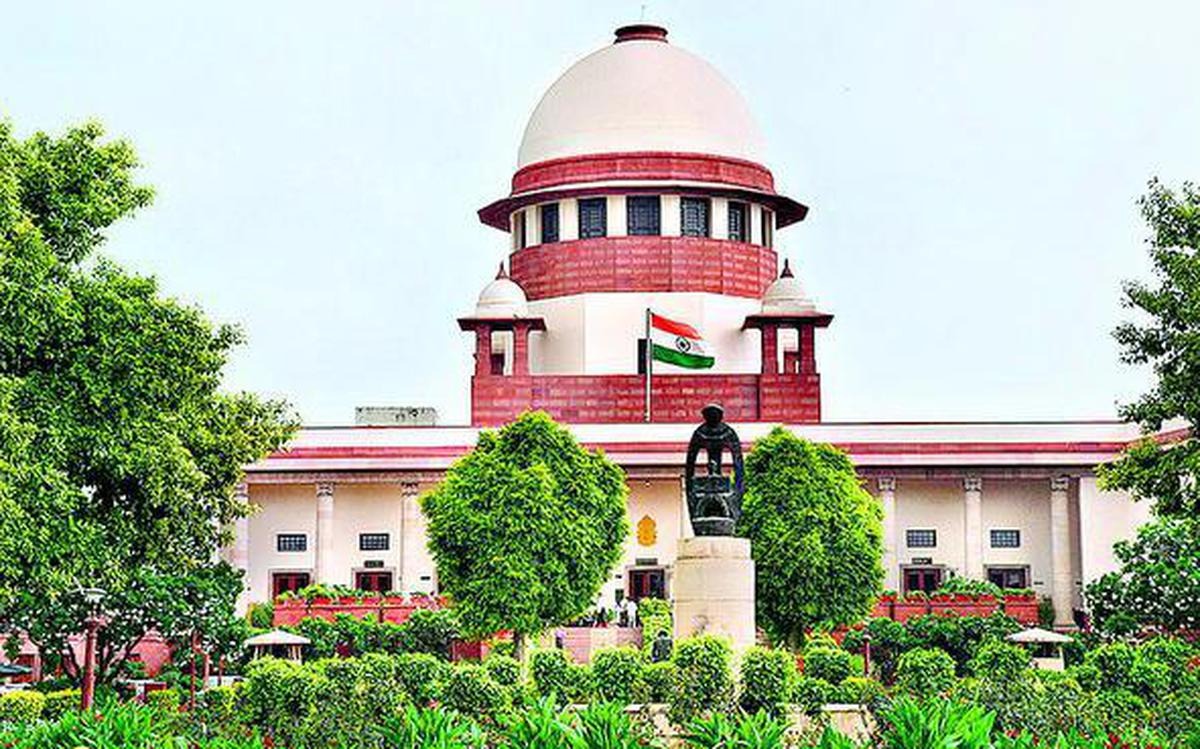

DIVYA DELHI : The Supreme Court has indicated that the legality of the Election Commission of India’s (ECI) “logical discrepancy” criteria under the Special Intensive Revision (SIR) of electoral rolls remains to be examined. The issue has drawn attention amid legal challenges concerning the voter verification process and the procedures followed to identify discrepancies in electoral records. The SIR exercise aims to verify electoral rolls and ensure that voter lists remain accurate. However, the criteria used to flag “logical discrepancies” have raised questions about transparency, the basis for identifying inconsistencies and the safeguards available to affected voters. The legal debate centres on whether the Election Commission’s methodology follows the applicable legal framework and provides adequate opportunities for voters to clarify or correct discrepancies in their records. The matter is particularly significant because any errors during voter verification could potentially affect an eligible citizen’s ability to participate in elections. The Supreme Court’s observations indicate that earlier proceedings concerning the SIR exercise should not automatically be interpreted as a final determination of the legality of the “logical discrepancy” mechanism. The specific legal questions surrounding the criteria may require separate consideration by the court. The proceedings are significant for electoral administration, as the outcome could have implications for how discrepancies are identified, communicated and resolved during voter-list revisions. The court’s eventual determination on the issue will be important in establishing the legal boundaries of the Election Commission’s verification process while balancing electoral accuracy with the protection of eligible voters’ right