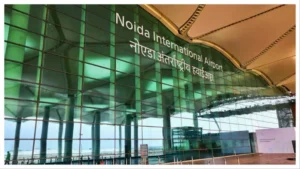

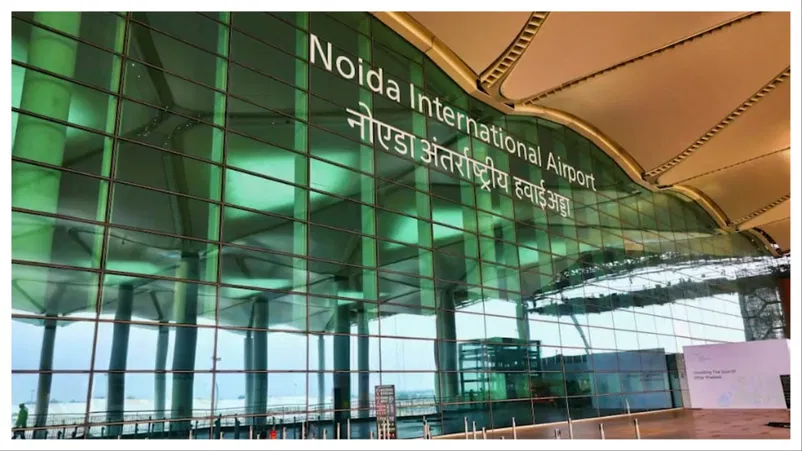

JEWAR, UTTAR PRADESH: Prime Minister Narendra Modi inaugurated the first phase of Noida International Airport on Saturday, marking a major milestone in India’s aviation infrastructure. Developed as the second international airport for the Delhi-NCR region, it will complement operations at Indira Gandhi International Airport and help ease congestion. The airport is expected to handle around 12 million passengers annually in its initial phase, with long-term capacity projected to reach 70 million. Featuring a 3,900-metre runway, it can accommodate wide-body aircraft, including the Boeing 777-300ER. Advanced navigation systems and modern airfield lighting will ensure efficient operations under all weather conditions. Strategically located in Jewar, the airport will serve key cities such as Noida, Ghaziabad, Meerut, Agra, and Mathura, while also acting as a gateway to major tourist and religious destinations. Officials highlighted its role as a multi-modal transport hub, integrating road, rail, and metro networks to improve connectivity and reduce travel time.The terminal design reflects Indian heritage, drawing inspiration from traditional ghats and haveli-style architecture. Sustainability features such as natural lighting, rainwater harvesting, and renewable energy integration align with its net-zero emissions goals.Built at an estimated cost of ₹11,200 crore under a public-private partnership, the project is among India’s largest greenfield airport developments.