
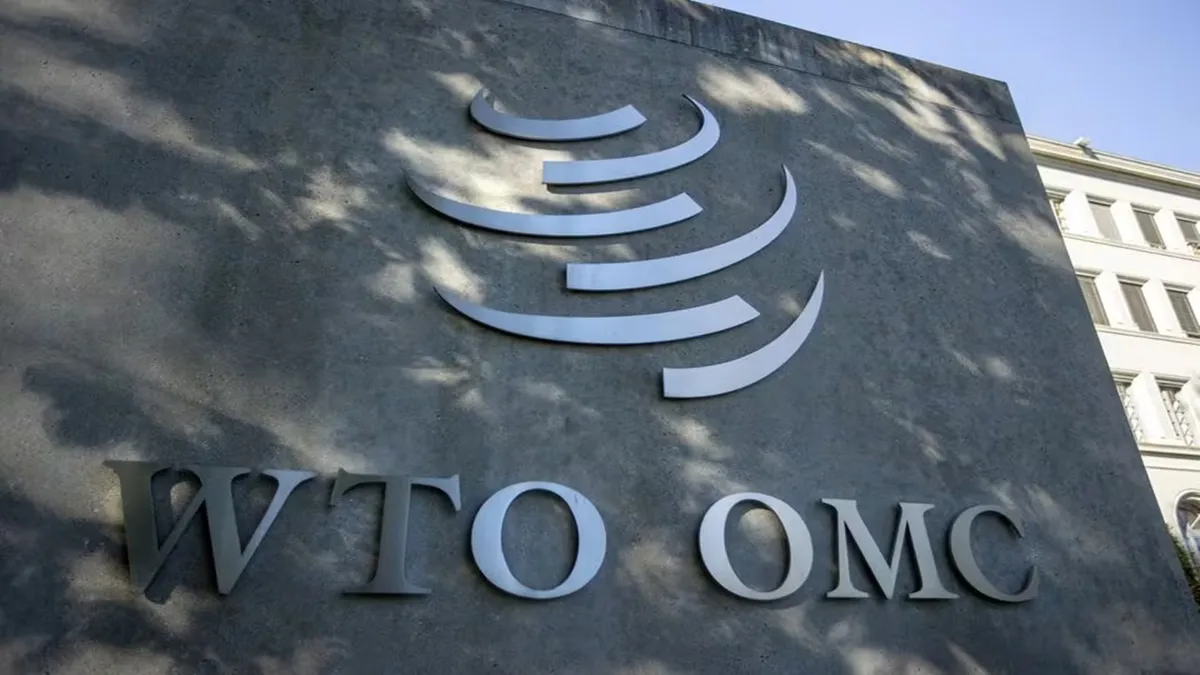

At the ongoing World Trade Organization (WTO) ministerial meeting in Cameroon, India has emerged as the sole major opponent of a China-backed investment facilitation agreement after Türkiye withdrew its resistance in the final stages of negotiations. The proposed pact, supported by around 130 of the WTO’s 160 members, aims to streamline investment processes but has faced strong objections from India. The Indian government, led by Commerce and Industry Minister Piyush Goyal, has consistently argued that the agreement is a “backdoor attempt” to introduce rules that were not approved by the full WTO membership. Officials warn that incorporating such a plurilateral pact into the WTO framework could set a precedent affecting future negotiations. Meanwhile, a coalition of 66 countries, including the United Kingdom and Japan, is pushing for a separate plurilateral agreement on digital trade. India is also confronting pressure from the United States to make permanent the moratorium on customs duties for e-commerce transactions, which currently prevents taxation on digital downloads and streaming services. India has historically used this issue as a bargaining tool, highlighting potential revenue gains from imposing such duties. Interestingly, India, the US, Russia, and Pakistan have found common ground in calling for broader WTO reforms, diverging from other members favoring a limited work programme.  India also expressed conditional support for a draft decision on fisheries subsidies, stressing the need for equitable and development-oriented outcomes that safeguard livelihoods and marine resources.