

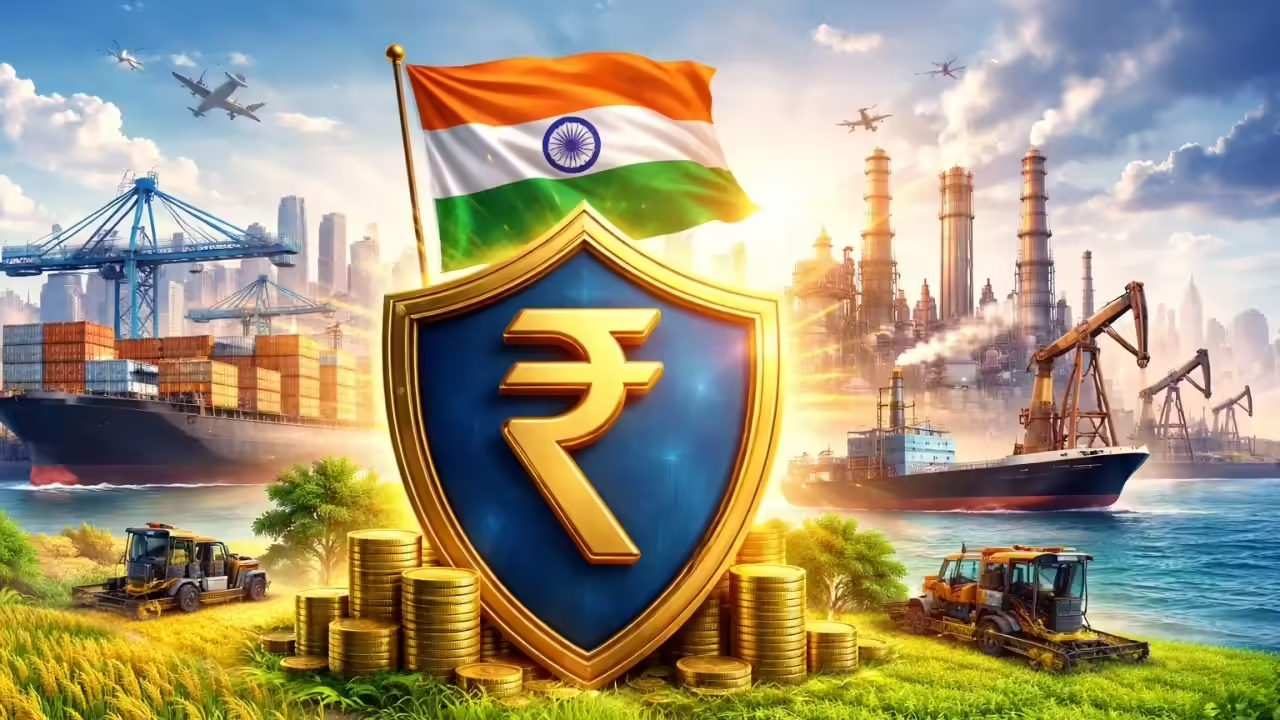

Divya Delhi:India’s economy is facing renewed pressure as global crude oil prices surge past $100 per barrel  geopolitical tensions in the Middle East. The oil shock threatens growth, given India’s heavy dependence on energy imports, but global agencies remain cautiously optimistic about the country’s resilience. In its April 2026 outlook, International Monetary Fund raised India’s growth forecast to 6.5%, citing strong domestic momentum and easing US tariffs. The baseline assumes oil prices averaging $130 per barrel in 2026 before moderating in 2027. Higher crude prices are expected to widen India’s current account deficit, with estimates suggesting a $10 rise per barrel could increase the deficit by 0.4 percentage points of GDP. The rupee has already weakened and may face further pressure amid global risk aversion. According to S&P Global, the impact will filter through rising input costs, squeezing corporate margins and reducing household purchasing power. Government finances may also come under strain as fuel tax cuts and subsidies increase spending, potentially delaying fiscal consolidation targets. Despite these challenges, India’s strong external position and healthy corporate balance sheets provide a buffer. While corporate earnings may decline in the short term, analysts expect recovery by 2028. Overall, the oil shock may slow growth, but not derail India’s broader economic stability.